Finding the best GPS tracker for a bike can be challenging. There are many options available.
A good GPS tracker keeps your bike safe and gives you peace of mind. It helps you track your bike in real time, ensuring its safety. A reliable tracker is crucial whether you commute daily or enjoy weekend rides. Imagine losing your bike and not knowing where to start looking.
With a GPS tracker, you can avoid this stress. The tracker sends you alerts if your bike moves without your knowledge. This article will guide you through the key features and benefits of the Best GPS tracker for bikes. Get ready to discover how these devices can protect your bike and give you peace of mind.
Credit: sandglasstheater.org
Table of Contents
Best Gps Tracker For Bike
With the rise in bike theft, securing your bike is more important than ever. A GPS tracker is a modern solution to this age-old problem. It helps keep your bike safe and gives you peace of mind.
Why Use A Gps Tracker?
A GPS tracker for your bike offers many benefits. Here are some key points:
- Real-time tracking: Know where your bike is at all times.
- Theft prevention: Alerts you if your bike moves unexpectedly.
- Recovery: Higher chance of getting your bike back if stolen.
How Gps Trackers Work
Understanding how GPS trackers work can help you choose the best one. Here is a simple breakdown:
- Satellite connection: The tracker connects to satellites to determine your bike’s location.
- Data transmission: The tracker sends this location data to your phone or computer.
- Monitoring: You can view your bike’s location on a map in real-time.
Most GPS trackers are small and easy to attach to your bike. They use batteries, which need regular charging. Some advanced models offer extra features like geo-fencing and speed alerts.
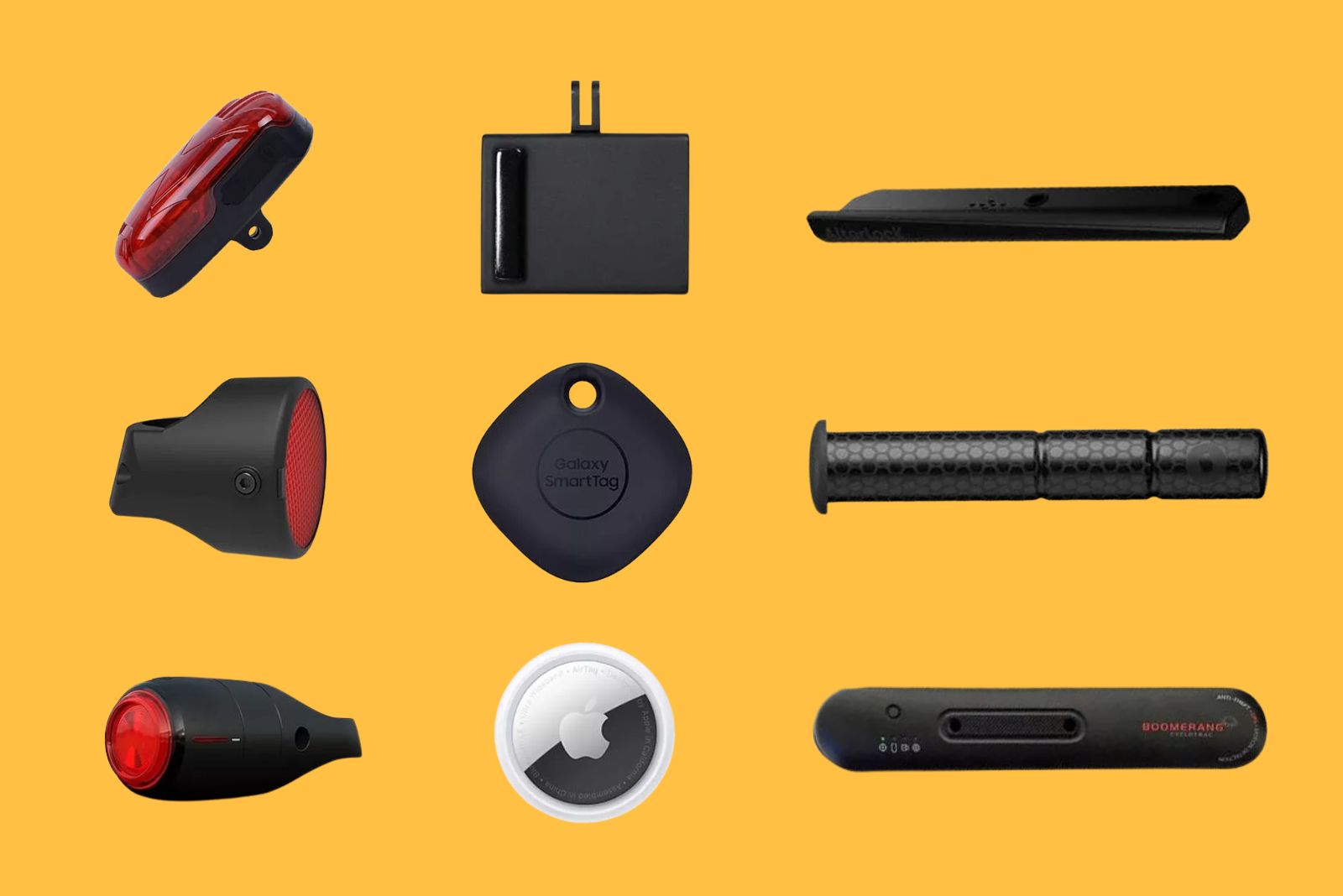
Here’s a quick comparison table of popular GPS trackers:
| GPS Tracker | Battery Life | Special Features |
|---|---|---|
| Tracker A | 2 weeks | Geo-fencing, speed alerts |
| Tracker B | 1 month | Real-time alerts |
| Tracker C | 10 days | Water-resistant |

Credit: www.cyclist.co.uk
Key Features To Consider
Choosing the best GPS tracker for your bike involves considering several key features. These features ensure the device meets your needs and provides reliable performance. Here are the main factors to keep in mind.
Battery Life
Battery life is a crucial feature for a GPS tracker. Long battery life means fewer charges. Look for trackers with at least a week’s battery life. Some models offer up to a month of power. Check if the device has a low battery alert.
Size And Design
The size and design of the GPS tracker matter. A compact tracker is easier to hide. This prevents thieves from spotting it. Choose a design that blends with your bike. Some trackers fit under the seat or within the frame. Ensure the design is durable and weather-resistant.
Tracking Accuracy
Tracking accuracy is vital for a GPS tracker. You need precise location data. Look for trackers with high sensitivity. Devices using multiple satellites provide better accuracy. Check if the tracker offers real-time updates. This ensures you always know your bike’s location.
Top Gps Trackers For Bikes
Choosing the best GPS tracker for your bike can be challenging. Many options are available, each with different features and price points. To help you make an informed decision, we have categorised them into three groups: budget-friendly options, mid-range choices, and premium picks.
Budget-friendly Options
Not everyone wants to spend a lot on a GPS tracker. Budget-friendly options provide essential tracking features without breaking the bank. These devices typically offer real-time tracking, basic alerts, and easy installation.
The Tile Mate is an affordable choice. It offers reliable tracking and a user-friendly app. The battery lasts a year. Another great option is the Spytec GL300. It has a compact design, a strong GPS signal, and affordable subscription plans.
Mid-range Choices
Mid-range GPS trackers offer a balance between cost and features. They provide more advanced functionalities without being too expensive. These devices often include geofencing, history tracking, and extended battery life.
The Garmin Edge 130 Plus is a popular mid-range choice. It offers precise tracking, navigation, and performance monitoring. Another option is the Tracki 2020 Model. It includes worldwide coverage, long battery life, and a compact design.
Premium Picks
For those who want the best, premium GPS trackers offer advanced features and top-notch performance. These devices provide high accuracy, extensive battery life, and additional functionalities like anti-theft alarms and detailed analytics.
The Garmin Edge 830 is a top premium pick. It offers advanced navigation, performance tracking, and safety features. Another excellent choice is the Invoxia Cellular GPS Tracker. It provides real-time monitoring, long battery life, and anti-theft alerts.
Battery Life Comparison
Choosing the right GPS tracker for your bike can be tricky. One key factor is the battery life. How long will the tracker last? Will you need to recharge it often? Let’s explore a detailed battery life comparison.
Long-lasting Trackers
Long-lasting GPS trackers are a great choice for those who want peace of mind. These trackers can operate for weeks or even months without needing a recharge. Here are some options:
| Tracker Model Category | Battery Life |
|---|---|
| Tracker A | 60 days |
| Tracker B | 90 days |
| Tracker C | 120 days |
These long-lasting trackers are perfect for long trips. You won’t have to worry about the battery dying soon. Tracker C is a standout with its 120-day battery life.
Rechargeable Options
Rechargeable GPS trackers are also popular. They offer convenience and are eco-friendly. Here are some top rechargeable options:
- Tracker X: 10 days per charge
- Tracker Y: 15 days per charge
- Tracker Z: 20 days per charge
Tracker Z provides the longest battery life among rechargeable options. A 20-day battery life per charge is impressive. These trackers are easy to recharge and can be used again quickly.
Choosing between long-lasting and rechargeable options depends on your needs. Do you prefer a set-and-forget tracker? Or do you want a rechargeable, eco-friendly option? Either way, there are excellent choices available.
Installation And Setup
Installing a GPS tracker on your bike can seem daunting, but it doesn’t have to be. With the right guidance and patience, your tracker will be up and running quickly. This section will help you through the process with some easy installation tips and ways to handle common setup issues.
Easy Installation Tips
Installing a GPS tracker can be simple if you follow these tips. First, choose a secure and hidden location. This helps prevent theft and tampering. Most bike GPS trackers come with a manual. Read the manual thoroughly before starting the installation.
- Ensure the tracker has a stable power source.
- Use zip ties or adhesive mounts to secure the tracker.
- Test the signal strength before finalising the position.
- Connect the tracker to your smartphone or computer.
Pro tip: Place the tracker on the frame or under the seat for better signal and concealment.
Common Setup Issues
Setting up your GPS tracker can be challenging at times. Here are some common issues and how to solve them.
| Issue | Solution |
|---|---|
| Poor signal reception | Relocate the tracker to an open area on the bike. |
| Tracker not syncing | Ensure your smartphone’s Bluetooth is on and the app is updated. |
| Battery draining quickly | Check for background apps that may be using GPS data. |
| Incorrect location data | Make sure the tracker has a clear view of the sky. |
Tip: Regularly update the tracker’s firmware to avoid compatibility issues.
Real-time Tracking And Alerts
Real-time tracking and alerts are essential features for any bike GPS tracker. They provide peace of mind by allowing you to monitor your bike’s location instantly, which can be very useful in case of theft or misplacement. Real-time tracking ensures you always know where your bike is, and alerts notify you of any unexpected movements or location changes.
Live Tracking Features
Live tracking features let you see your bike’s location on a map, helping you monitor its movements. You can use a smartphone app or a web interface for this. The live tracking feature updates frequently, providing the most current location. Some trackers offer detailed information, like speed and route history.
Geofencing And Notifications
Geofencing allows you to set a virtual boundary around a specific area. You receive alerts if your bike leaves or enters this area. This feature helps in keeping your bike within safe zones. It is also useful for monitoring if someone moves your bike without your permission. Notifications can be sent via email, SMS, or app alerts. This ensures you are always informed about your bike’s status.
Durability And Weather Resistance
Choosing the best GPS tracker for your bike means considering its durability and weather resistance. A durable GPS tracker can withstand harsh conditions and last longer. Weather resistance ensures the tracker works well in rain, snow, or heat. These factors are crucial for keeping your bike secure in all situations.
Waterproof Models
Waterproof GPS trackers are essential for bike owners who ride in various weather conditions. These models prevent water damage, ensuring the tracker functions during rain or riding through puddles. Here are some features to look for in waterproof models:
- IP Rating: Check the IP (Ingress Protection) rating to ensure the tracker is waterproof.
- Sealed Ports: Ensure all ports are sealed to prevent water from entering.
- Durable Casing: A robust casing helps protect the tracker from water and impacts.
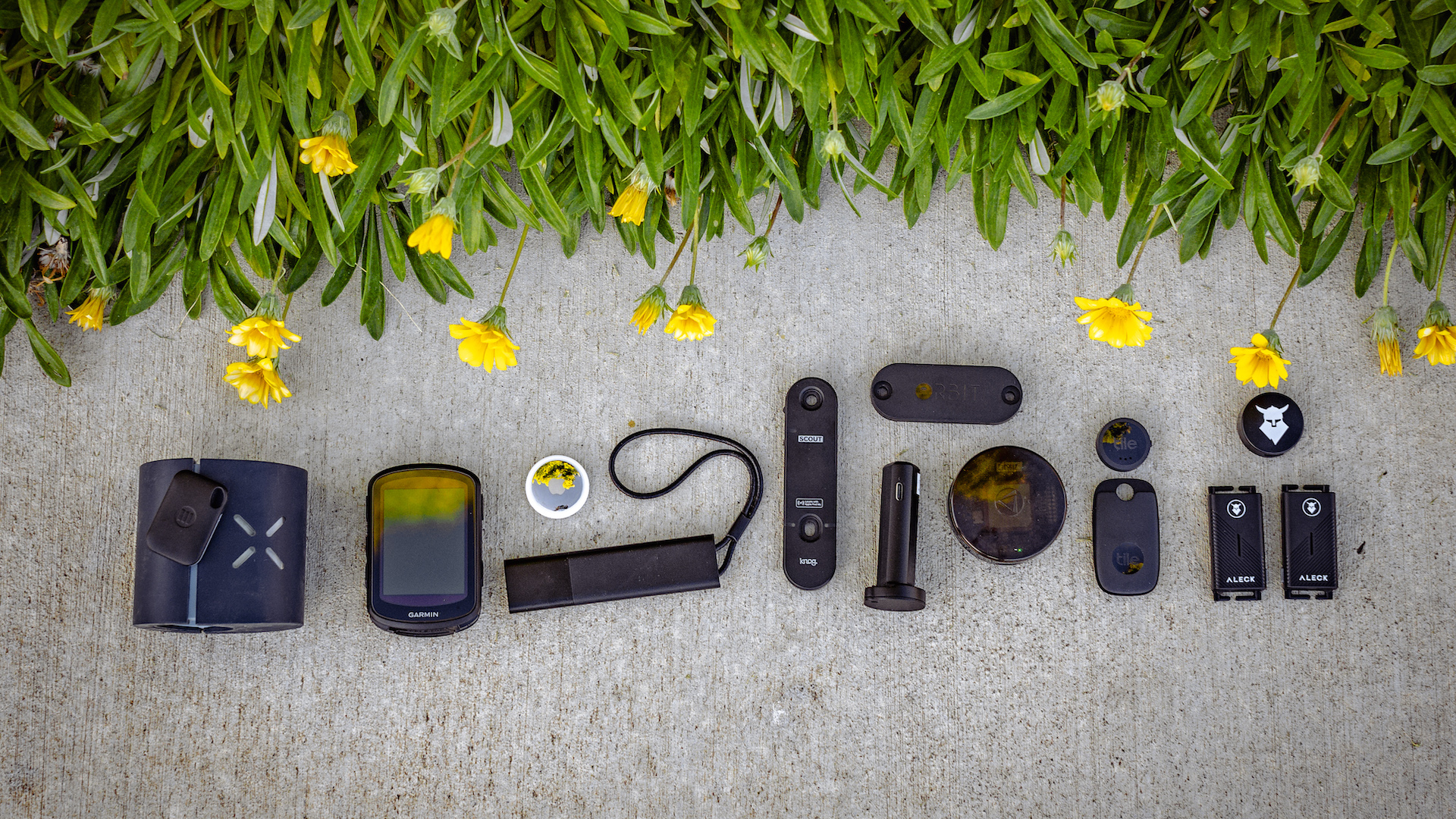
Some popular waterproof GPS trackers for bikes include the Tile Mate and the Garmin Edge series. These models provide reliable performance in wet conditions.
Shock-resistant Trackers
Shock-resistant GPS trackers are designed to handle rough rides and impacts. This feature is vital for mountain bikers or those riding uneven terrain. Key aspects of shock-resistant trackers include:
- Strong Materials: Look for trackers made from durable materials like reinforced plastic or metal.
- Vibration Absorption: Some models have built-in vibration absorption to protect internal components.
- Secure Mounting: A secure mounting system ensures the tracker stays in place during bumpy rides.
Examples of shock-resistant GPS trackers are the Spytec GL300 and the Tracki 2020. These devices are built to withstand impacts and keep tracking your bike accurately.
| Feature | Waterproof Models | Shock-Resistant Trackers |
|---|---|---|
| Material | Sealed, Durable Casing | Reinforced Plastic or Metal |
| Protection | IP Rating, Sealed Ports | Vibration Absorption |
| Examples | Tile Mate, Garmin Edge | Spytec GL300, Tracki 2020 |
Credit: www.cyclingweekly.com
User Reviews And Ratings
Choosing the best GPS tracker for your bike can be tough. User reviews and ratings provide valuable insights. They help determine which tracker might be best for you. Here, we’ll explore customer experiences and expert opinions on some top-rated GPS trackers for bikes.
Customer Experiences
Users have shared many stories about their experiences with GPS trackers. These reviews highlight each product’s strengths and weaknesses.
- Accuracy: Many users praise the accuracy of certain GPS trackers, highlighting how these devices provide precise location data.
- Battery Life: Long battery life is often mentioned. Users appreciate not needing to charge the tracker frequently.
- Ease of Use: Simple setup processes get positive reviews. Users prefer trackers that are easy to install and operate.
- App Interface: A user-friendly app is important. Many reviews discuss how easy or hard the associated app is to use.
Here’s a summary of user feedback for popular GPS trackers:
| GPS Tracker | Pros | Cons |
|---|---|---|
| Tracker A | Accurate, Long Battery Life | Expensive |
| Tracker B | Easy to Use, Affordable | Short Battery Life |
| Tracker C | Great App Interface, Compact | Limited Features |
Expert Opinions
Experts in the field also discuss GPS trackers. Their insights often come from thorough testing and analysis.
- Performance: Experts test the trackers’ real-world performance and often provide detailed reports on accuracy and reliability.
- Durability: Reviews include information about the build quality. Durable trackers receive high marks.
- Features: Experts compare the features of different trackers. They help identify which ones offer the best value.
- Value for Money: Cost-effectiveness is a key consideration. Experts often recommend trackers that balance quality and price.
Both user reviews and expert opinions are important. They help you decide on the best GPS tracker for your bike.
Conclusion And Recommendations
After reviewing various bike GPS trackers, it’s time to summarise the findings. This section will provide a comprehensive conclusion and recommendations to help you choose the best GPS tracker for your bike.
Best Overall Choice
The Garmin Edge 530 stands out as the best overall choice based on extensive research and analysis. This device offers a combination of accuracy, durability, and user-friendly features. It’s perfect for both casual riders and serious cyclists.
- Accuracy: The Garmin Edge 530 provides precise location tracking, ensuring you always know where your bike is.
- Durability: Built to withstand tough conditions, this tracker can handle rough terrains and harsh weather.
- User-Friendly: Easy to install and use, with a clear display and intuitive interface.
If you want a reliable and efficient GPS tracker, the Garmin Edge 530 is the way to go.
Final Thoughts
In addition to the Garmin Edge 530, other notable mentions include:
| Model | Key Features |
|---|---|
| Wahoo ELEMNT Bolt | Compact, easy to use, and offers real-time tracking. |
| Tile Mate | Affordable, versatile, and integrates with your smartphone. |
| Spy Tec STI GL300 | Discreet, long battery life, and provides detailed location history. |
Each of these models has its strengths. Choose based on your specific needs and preferences. Ensuring your bike’s safety is worth the investment in a good GPS tracker.
Frequently Asked Questions
What Features To Look For In A Bike Gps Tracker?
When choosing a bike GPS tracker, look for real-time tracking, battery life, and waterproofing. Ensure it has a reliable app and geofencing alerts. Easy installation and discreet design are also important for security.
How Does A Gps Tracker For Bikes Work?
A GPS tracker uses satellite signals to pinpoint your bike’s location. The data is sent to your smartphone via a mobile app. This allows you to monitor your bike’s location in real-time and receive alerts.
Are Bike Gps Trackers Waterproof?
Yes, most bike GPS trackers are waterproof. They are designed to withstand various weather conditions. Check the product specifications for the waterproof rating to ensure durability.
Can I Install A Bike Gps Tracker Myself?
Yes, most bike GPS trackers are easy to install. They come with clear instructions and mounting accessories. You can typically do it yourself without professional help.
Conclusion
Choosing the right GPS tracker for your bike matters. It ensures safety. It offers peace of mind. With various options available, pick one that fits your needs. Consider battery life, size, and features. Research thoroughly before buying. A good tracker can save you from stress.
Keep your bike secure. Stay connected. Enjoy your rides with confidence.
One response to “Best GPS Tracker for Bike: Anti-Theft Devices Compared”
cefixime trihydrate
cefixime trihydrate